
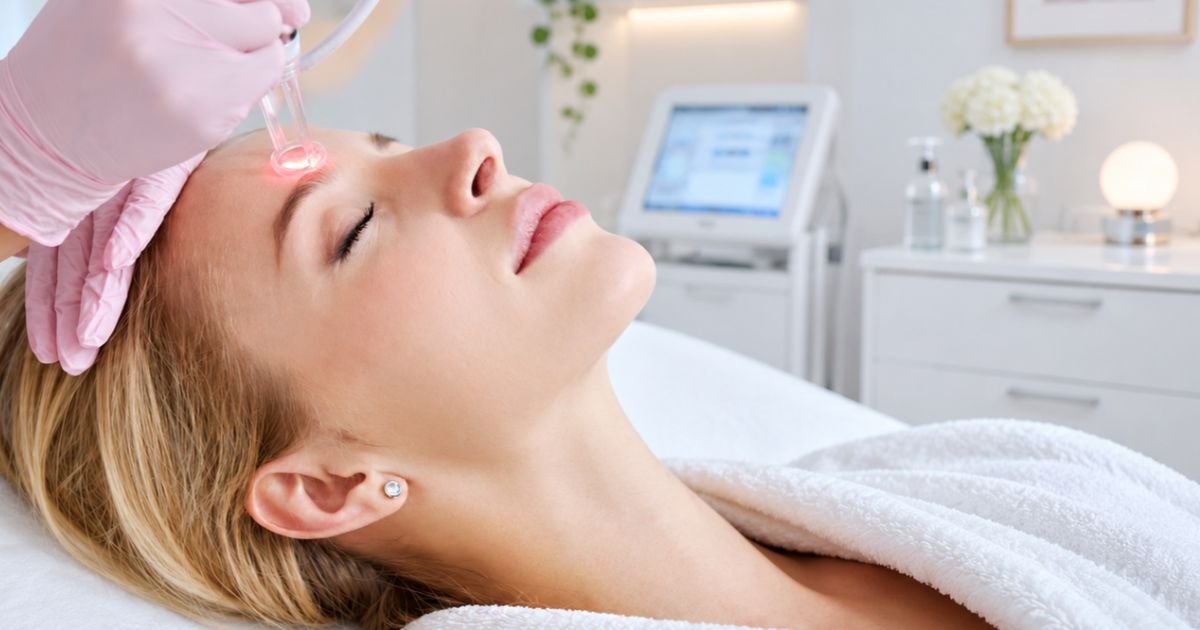
Laser resurfacing can soften lines, smooth rough texture, and fade sun damage, but the changes do not all arrive at once. Some improvements show up as soon as the skin heals, while others continue developing quietly for months. Understanding this gradual process makes it easier to stay patient and set realistic expectations for your laser resurfacing results.
At BeautiLab Aesthetics, Kim Albittar, MSN, FNP-C, RNFA, plans and performs every treatment as a dual board-certified family nurse practitioner with a background as a Registered Nurse First Assistant. Because she sees each client from consultation through follow-up, she can track how your skin responds from one session to the next and adjust your plan as your results develop.
Key Takeaways
Laser resurfacing works in two stages: surface renewal first, then deeper collagen rebuilding.
Brighter tone and smoother texture are usually the first changes people notice.
Deeper lines, acne scars, and firmness take longer because new collagen forms slowly.
Improvement can continue for up to six months after treatment.
Sun protection and careful aftercare play a major role in how well results last.
Why Laser Resurfacing Results Arrive in Stages
Laser resurfacing triggers two separate healing processes, and each one moves at its own pace.
Surface Renewal
Laser energy breaks down the outermost skin cells, which are often dull, rough, or marked by sun damage. Over the next several days, the body sheds that treated layer and grows a new one underneath. Depending on the depth of treatment, this renewal usually takes anywhere from a few days to two weeks, and the skin that emerges is typically softer and more even in color.
Collagen Remodeling
Collagen gives skin its firmness and structure, while elastin helps it stretch and bounce back. Beneath the surface, the laser’s controlled injury stimulates the production of these proteins and encourages the reorganization of older, damaged fibers. This deeper repair, known as collagen remodeling, takes much longer than surface healing. These changes develop gradually over several months, which is why some improvements do not become clear until well after the skin looks fully healed.
What Changes First
The early results of laser resurfacing come mostly from that fresh surface layer. Once redness and peeling settle, many people notice a clear difference in how their skin reflects light.
Brighter, Smoother Skin
Removing dull, sun-damaged cells reveals a fresher layer underneath. Skin often appears more radiant and feels noticeably softer to the touch within the first few weeks.
More Even Tone
Sun spots, age spots, and blotchy discoloration often begin to fade as the outer layer renews. Some areas may darken briefly and flake away during healing before the clearer skin underneath shows through.
Softer Fine Lines
Very fine, surface-level lines, such as crinkling under the eyes, may look softer once the new skin forms. This early improvement continues to build as collagen fills in over time.
What Takes Longer
Some concerns sit deeper in the skin, below the layer that peels away, so they depend on that slower collagen rebuilding. These changes appear more gradually, but they are often what make laser resurfacing results worth the wait.
Deeper Lines and Wrinkles
Lines around the mouth and eyes that have formed over many years usually need time and new collagen to soften. Improvement may continue for months, especially after a series of treatments.
Acne Scars
Rolling and shallow boxcar scars can become less noticeable as collagen rebuilds beneath them. Since scar tissue is firm and uneven, these changes tend to be gradual, and more than one session is often needed.
Firmness and Mild Laxity
Tighter, firmer skin is one of the slowest changes to appear. As collagen and elastin strengthen, skin may gain a bit more support, though resurfacing is best for mild laxity rather than significant sagging. Clients who want more tightening sometimes add RF microneedling to their plan, and it can help to see how Pixel8 compares to traditional microneedling.
Pore Size
Enlarged pores may look smaller as surrounding skin becomes firmer and smoother.
A General Timeline for Laser Resurfacing Results
Every client heals a little differently, but most people can expect a similar timeline after treatment.
The First Week
Skin is usually red, warm, and sensitive, and peeling or flaking begins within a few days. With fractional treatments, redness and mild peeling often last three to five days. Fully ablative treatments typically involve about seven to 10 days of redness and peeling, so healing may stretch into the second week.
Weeks Two Through Four
Once peeling ends, the fresh surface becomes visible. Skin may still look slightly pink, but tone and texture often appear clearer.
Months Two and Three
Collagen production is well underway. Fine lines may continue to soften, and texture often keeps improving even though the surface has long since healed.
Months Four Through Six
Deeper improvements in lines, scars, and firmness continue to develop. Many people find their skin looks its best several months after treatment, especially once a full series is complete.
Why Skin Can Look Worse Before It Looks Better
The first few days after resurfacing can be surprising. Treated skin often turns red or pink, and some areas may look darker or rough as old skin sheds. Swelling can also make fine lines look temporarily smoother, and those lines may seem to return once the swelling goes down. None of this means the treatment did not work. These early changes are part of normal healing, and the real progress becomes easier to judge after peeling ends and new collagen starts to build.
How Your Treatment Type Shapes Results
The settings and technology used can influence your laser skin resurfacing results, including how quickly you heal and how much improvement each session brings. BeautiLab offers three resurfacing options, each with a different balance of effectiveness and downtime.
Fully Ablative Erbium
A fully ablative setting treats the entire surface of the area. It requires more downtime, but it can create a more noticeable change in a single session. Results are typically visible once the skin has healed.
Fractional Erbium
A fractional setting treats tiny columns of skin while leaving surrounding tissue intact. Healing is faster, and results build more gradually, which makes it a popular choice for clients who cannot take as much time away from work or social plans.
PiX:e Laser and RF Microneedling
PiX:e combines erbium resurfacing with RF microneedling in one session. The laser renews the surface while the RF energy works deeper in the skin, so it can address both early surface changes and slower collagen-driven concerns at the same time.
Why a Series Often Works Better Than One Session
A single session can bring visible improvement, but many concerns respond best to a series, often around three treatments. Each session builds on the collagen stimulated by the last one, so results tend to layer over time.
A series also lets your provider start with more conservative settings and adjust based on how your skin heals. Gradual results are especially helpful for clients who want natural-looking change or are trying laser resurfacing for the first time.
Factors That Influence Your Results
No two people respond to laser resurfacing in exactly the same way. Several factors can shape how quickly you see changes and how much your skin improves:
Treatment depth: Deeper settings usually create bigger changes but require longer recovery.
Your main concern: Surface pigment often responds faster than deep scars or wrinkles.
Skin tone: Erbium resurfacing is generally best for lighter to medium skin tones, and deeper tones need careful evaluation because of pigmentation risk.
Age and skin health: Collagen production naturally slows with age, which can affect how quickly deeper changes appear.
Sun exposure: Tanning or sunburn before or after treatment can raise the risk of side effects and undo progress.
Aftercare habits: Following your provider’s instructions closely helps the skin heal smoothly.
Lifestyle: Smoking and poor sleep can slow healing and collagen production.
Preparing Your Skin Before Treatment
Good results start before your appointment. Your provider may ask you to stop retinoids and exfoliating acids for a short time beforehand and to avoid tanning or sunburn in the weeks leading up to treatment. If you have a history of cold sores, tell your provider, since resurfacing around the mouth can trigger an outbreak, and they may recommend preventive medication. Arriving with calm, healthy, untanned skin helps lower the risk of complications and supports smoother healing.
Protecting Your Results After Treatment
How you care for your skin in the weeks after treatment can make a real difference in your laser resurfacing results. These habits can help support healthy healing:
Keep skin moisturized and follow your provider’s aftercare plan exactly.
Let peeling skin shed naturally rather than picking or scrubbing it.
Wear a mineral sunscreen every day and avoid direct sun while skin heals.
Pause retinoids, acids, and other active products until your provider says it is safe to restart.
Skip makeup until your skin has healed enough to tolerate it.
Signs Your Healing Is on Track
Redness, warmth, tightness, and flaking are common after laser resurfacing and generally improve as healing progresses. Contact your provider right away if you notice:
Increasing pain or swelling after the first few days
Yellow crusting, pus, or a foul odor
Blisters or open areas that do not seem to be healing
Fever or spreading redness
Dark or light patches that appear as the skin heals
How Long Do Laser Resurfacing Results Last?
Laser resurfacing can create long-lasting improvement, but it does not stop the skin from aging. New collagen and smoother skin can last for years with good care and daily sun protection, while fresh sun damage, lines, and spots may develop over time. Many clients schedule occasional maintenance treatments to keep their skin looking its best.
Lines caused by facial movement, such as forehead lines and crow’s feet, will also return as you continue to make expressions. Some clients pair resurfacing with wrinkle relaxers, and it can help to know how many Botox units each area typically needs when planning a combined approach. Resurfacing also doesn't replace lost volume, so some clients add filler to areas like the cheeks. Knowing how long dermal fillers last can help you plan ahead.
Tracking Your Progress With the Same Provider
Since laser resurfacing results unfold over months, consistent follow-up makes it easier to see how far your skin has come.
One Provider From Start to Finish
At BeautiLab Aesthetics, the same provider who performs your treatment also handles your consultation, aftercare questions, and follow-up visits. This makes it easier to compare your skin from one appointment to the next and fine-tune settings in later sessions. Clients can also reach Kim directly between visits, so questions about healing go straight to the person who knows their treatment history best.
Plans Built in Stages
Kim often structures treatment plans in stages, starting with your main concerns and building from there as your skin responds. This gives her a chance to see what is working well before deciding whether to adjust the settings or focus on other areas.
Photos That Show Gradual Change
Since changes happen slowly, it is easy to forget how your skin looked before treatment. Photos taken in the same lighting before each session, and again a few months after your last one, make it easier to see how texture, tone, and lines have improved. Reviewing them together at follow-up visits can also guide decisions about maintenance or future treatments.
Plan Your Laser Resurfacing in Woodbridge, VA
Laser resurfacing can refresh tone, smooth texture, and soften lines, with improvements that continue well after your skin heals. At BeautiLab Aesthetics, every plan starts with a thorough look at your skin, goals, and timeline so you know what to expect at each stage. As a leading provider of laser resurfacing in Woodbridge, we're proud to serve clients throughout Woodbridge, Montclair, Dale City, Lake Ridge, Manassas, and Linton Hall. Call (571) 989-7951 today to schedule your consultation.
